Here’s a list of major electricity-generation companies that could benefit from the growing power demand from data centres (including AI/data-centre build-out) in the short- to mid-term, along with a brief rationale for each. This is not investment advice, but rather a screening of potential candidates.
✅ Companies to consider
1. NextEra Energy, Inc. (USA)
Why it may benefit:
-
NextEra is one of the largest utility/energy companies by market cap in the U.S. and has a large generation portfolio. The Motley Fool+1
-
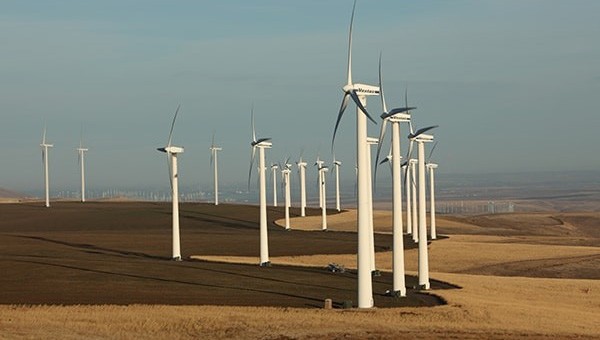
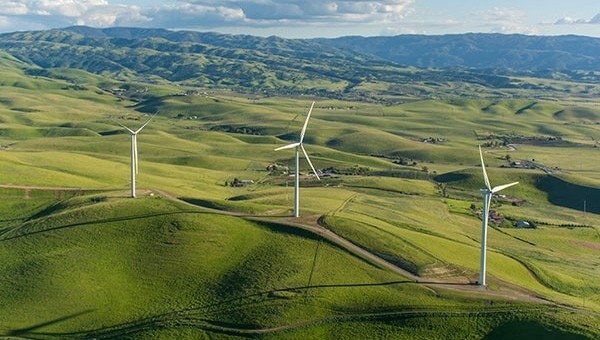
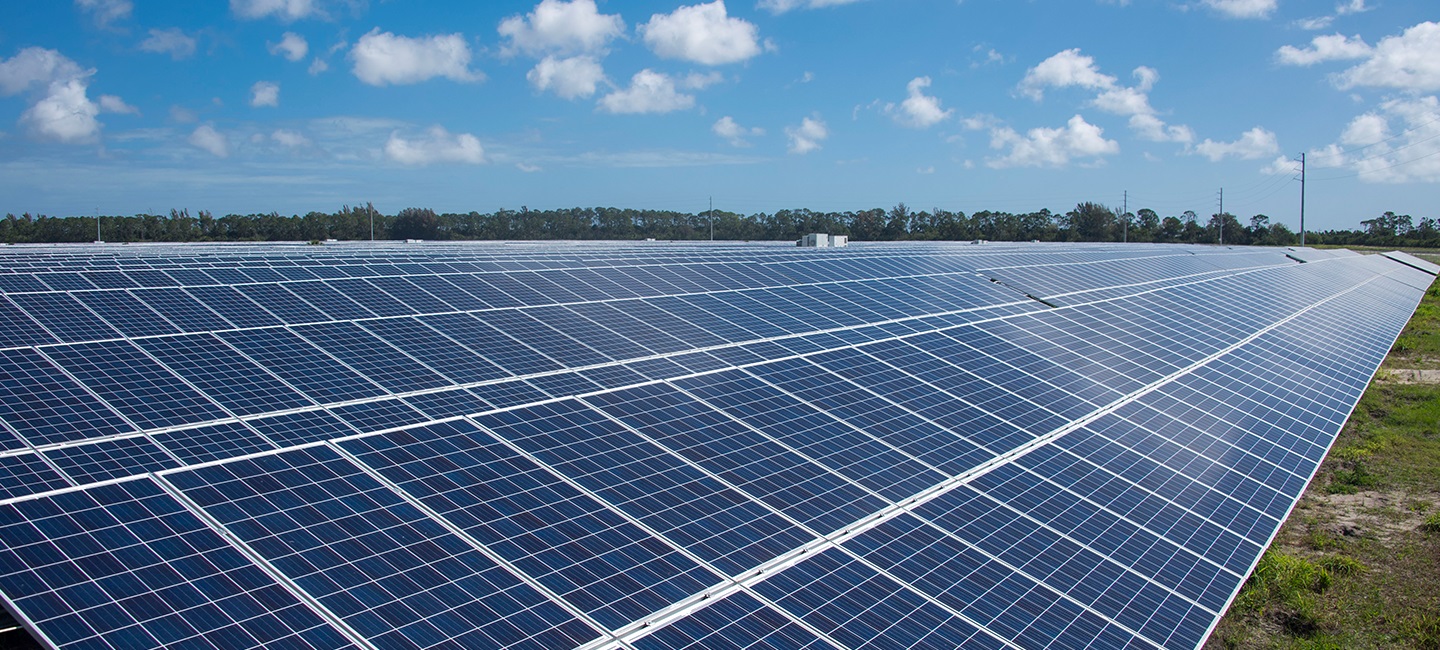
It has strong presence in renewables (wind, solar) which matters as data-centres increasingly seek clean/renewable power.
What to check: -
How much of its capacity is dispatchable (i.e., reliable on demand) versus intermittent renewables.
-
Whether it has contractual tie-ups with large data centre customers or AI heavy users.
2. Vistra Corporation (USA)

Why it may benefit:
-
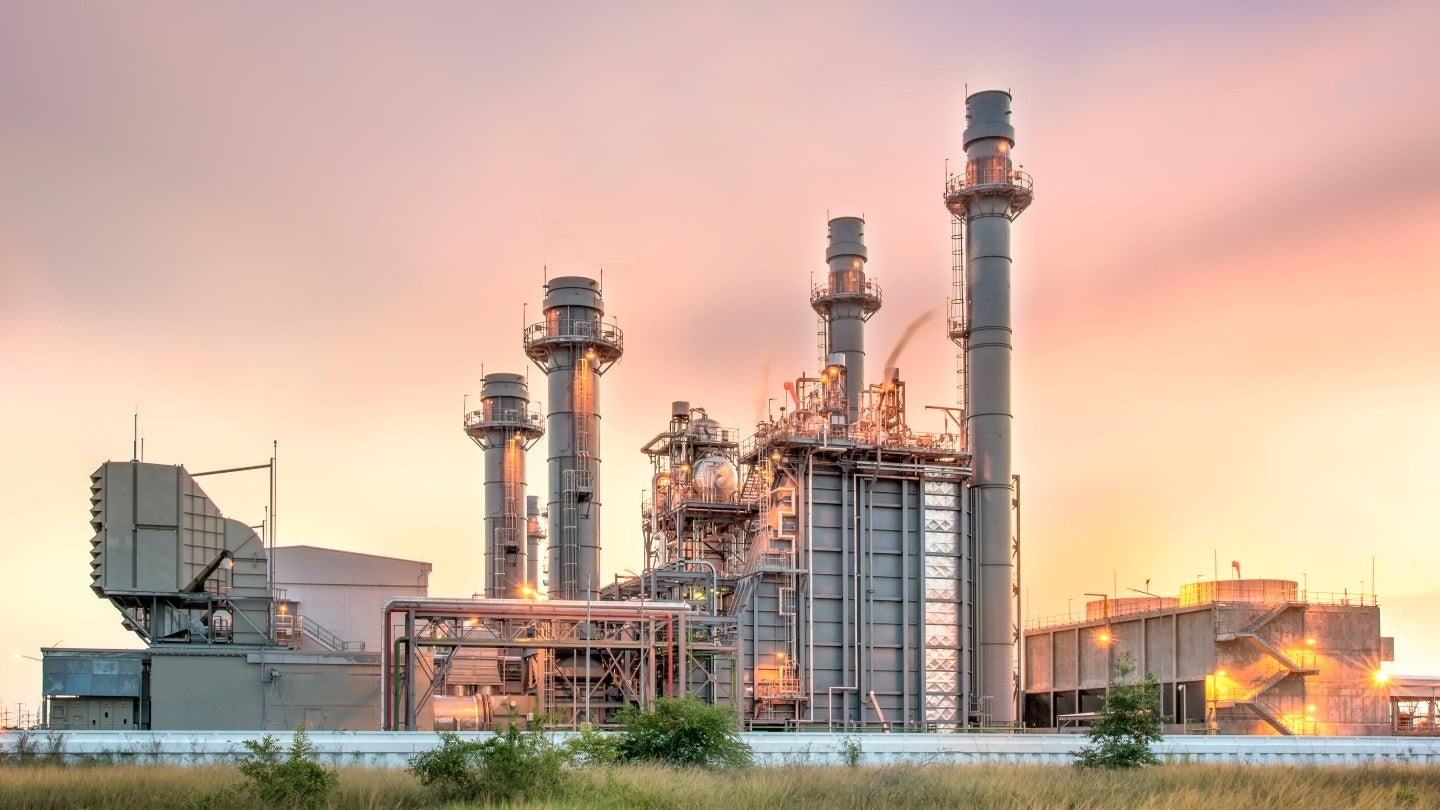
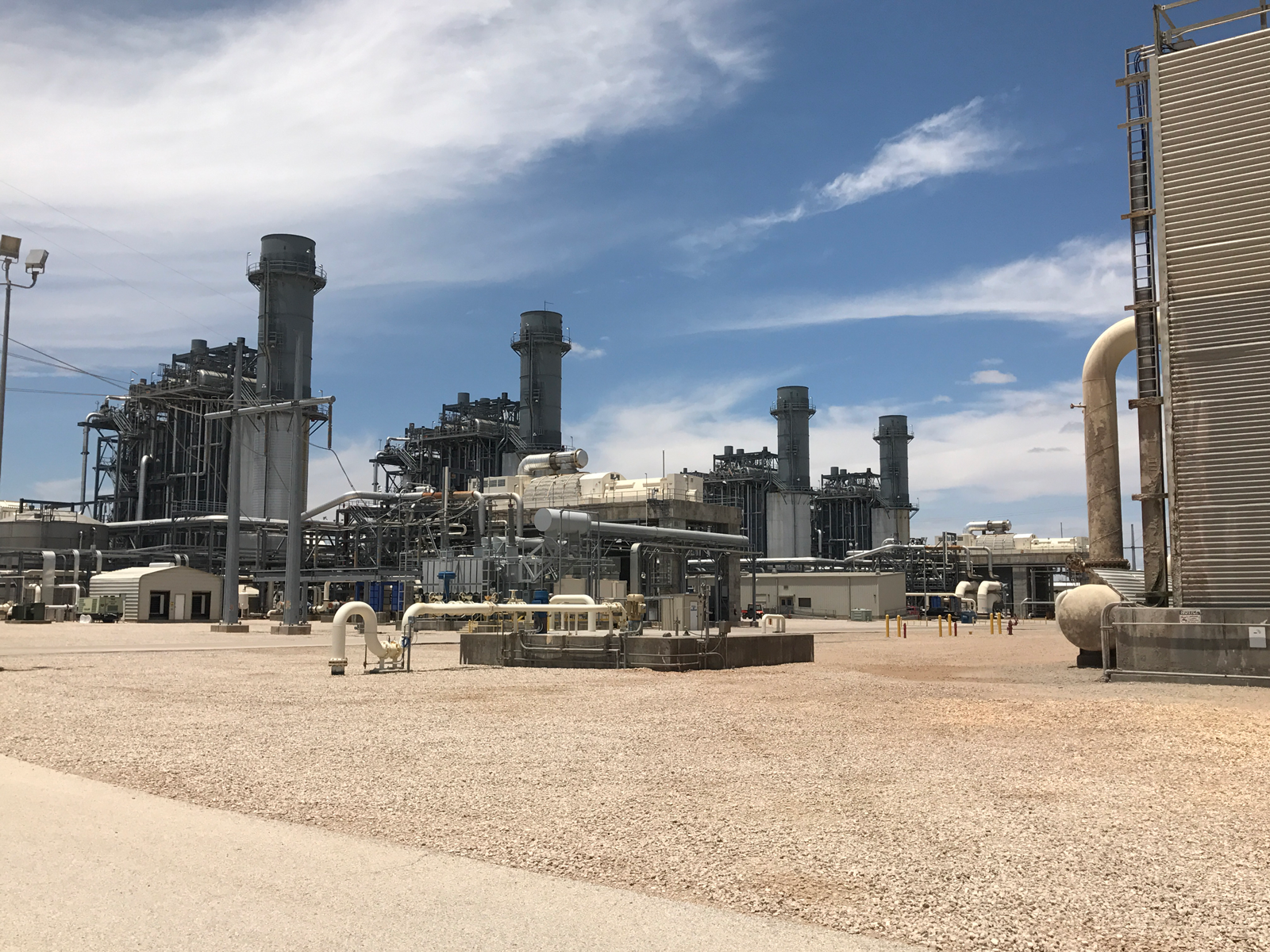
Vistra is a large competitive power generator in the U.S., with a diverse portfolio (gas, nuclear, solar, storage) and about ~39 GW capacity. Wikipédia+1
-
The diversity and scale mean it could supply large loads like those demanded by data centres.
What to check: -
How their pipeline of new capacity aligns with data-centre build-out regions (e.g., Texas, California).
-
Their ability to secure contractual “large load” customers (data-centres often sign long-term power purchase agreements).
3. AES Corporation (USA / Global)
Why it may benefit:
-
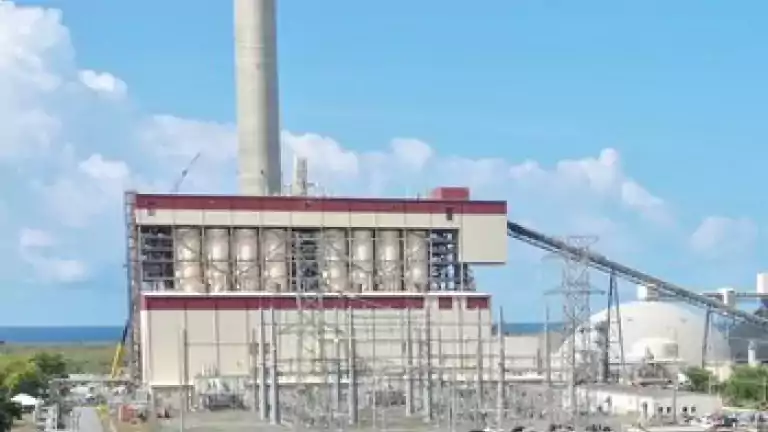
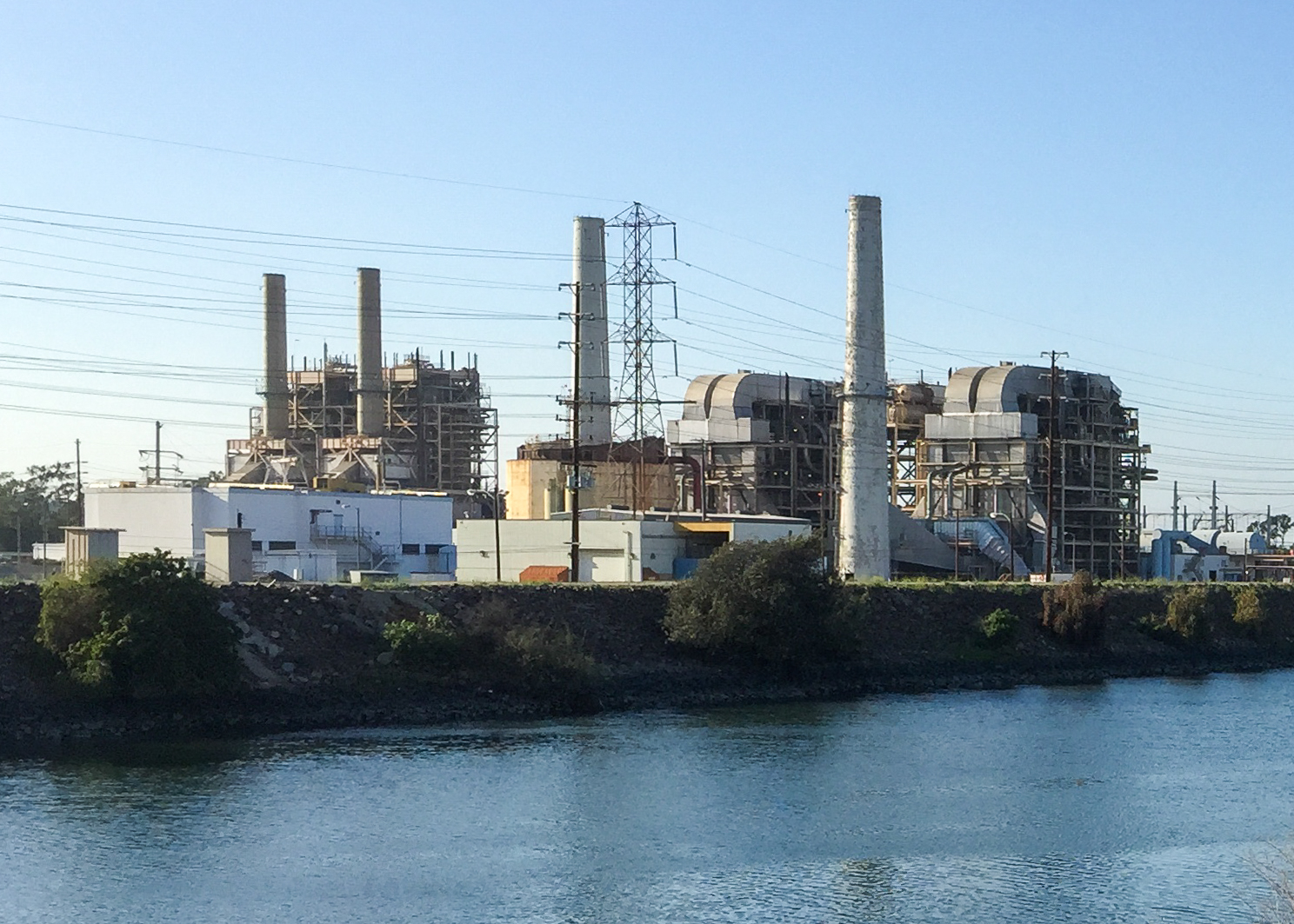
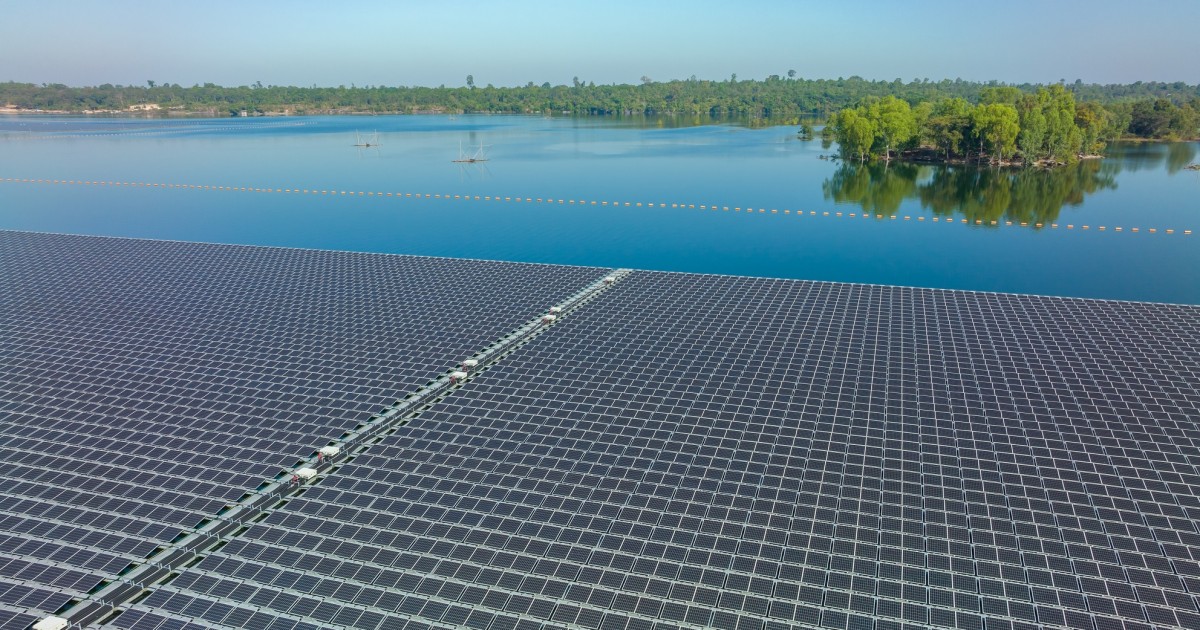
AES is a global power-generation & utility company, generating and distributing electricity across multiple countries. Wikipédia
-
With global operations, it might be exposed to data-centre growth both in the U.S. and internationally.
What to check: -
Whether AES has specific exposure or strategy towards data-centre / hyperscale loads.
-
The risk profile of its projects in emerging markets, and regulatory/regional risks.
4. Constellation Energy Corporation (USA)


Why it may benefit:
-
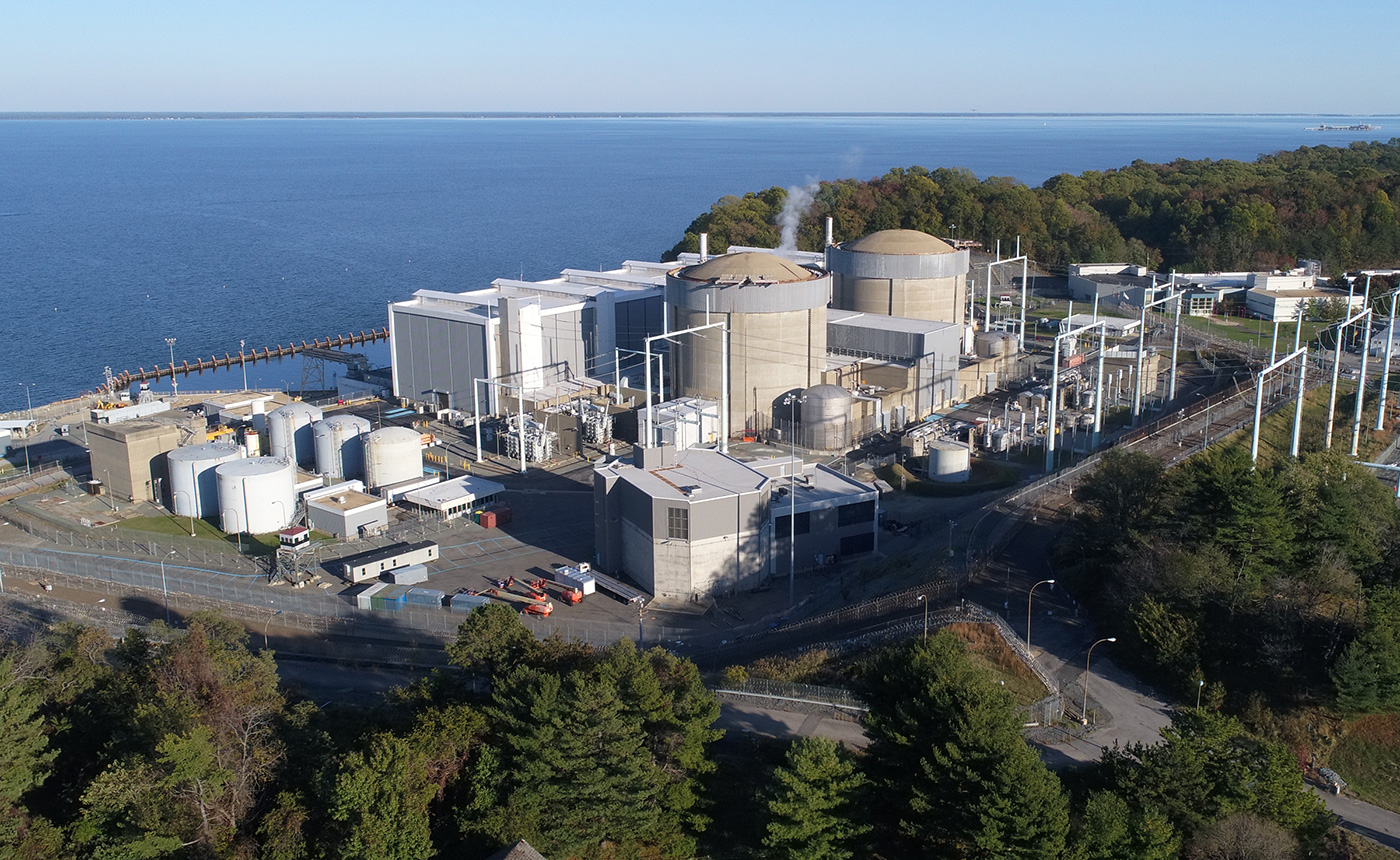
Constellation is a large U.S. electricity producer and supplier. Wikipédia
-
There is broader industry commentary that electricity demand driven by AI/data centres is a growth tailwind for power producers. Houston Chronicle
What to check: -
How much of their generation is “dispatchable” (nuclear, gas) and whether they have contracts aligned with data‐centre growth.
-
Whether they plan significant capacity expansion geared toward large IT loads.
5. Entergy Corporation (USA)
Why it may benefit:
-
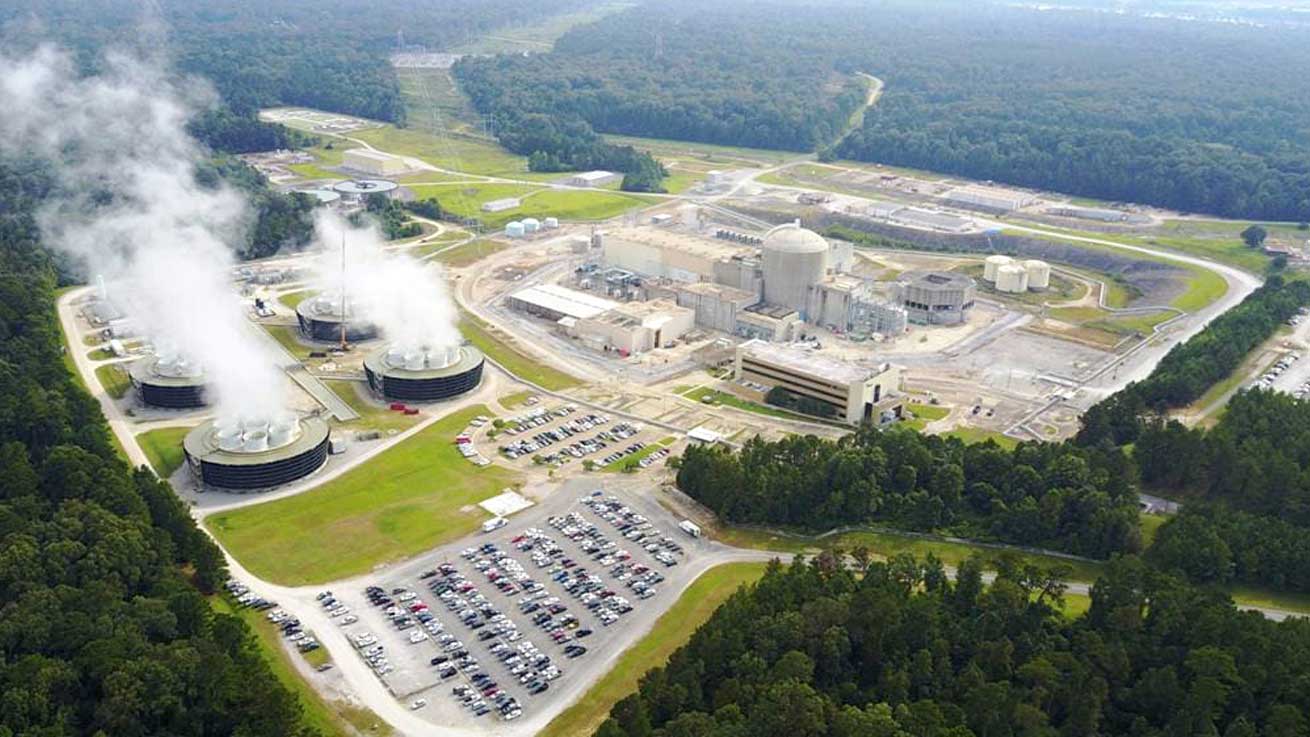
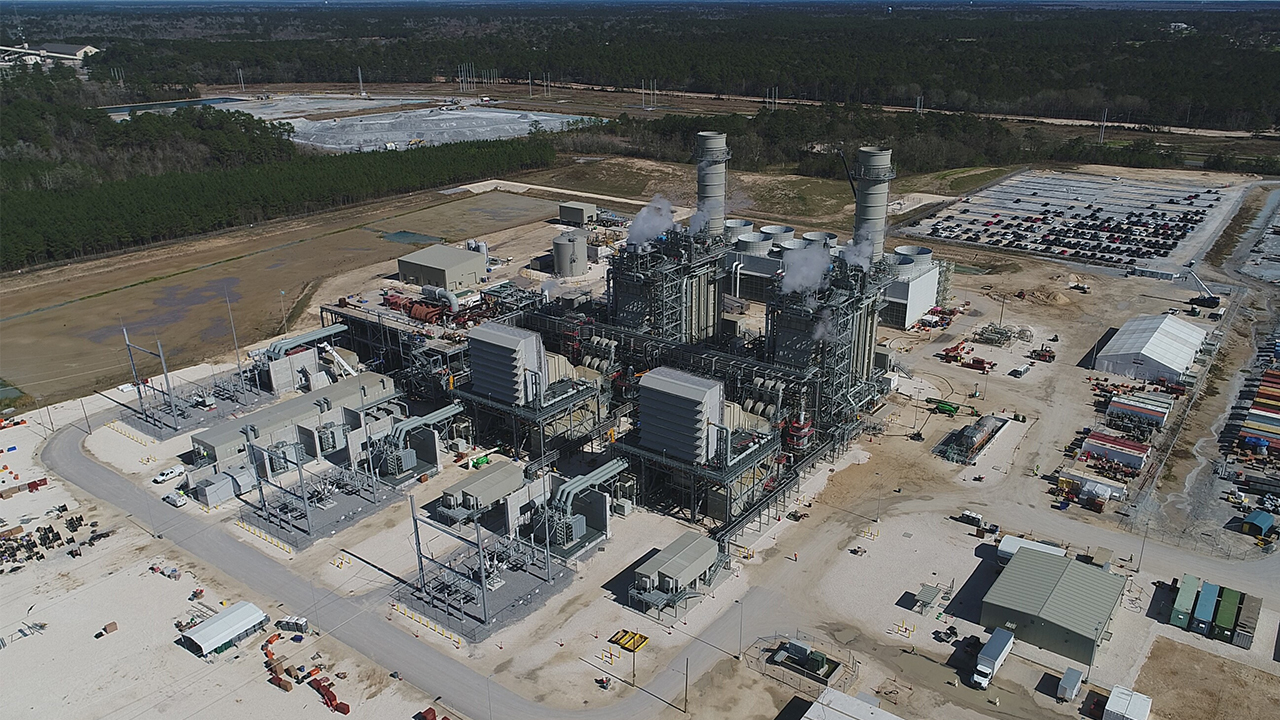
Entergy has ~30,000 MW of generating capacity in the U.S., across many plants and transmission infrastructure. Wikipédia
-
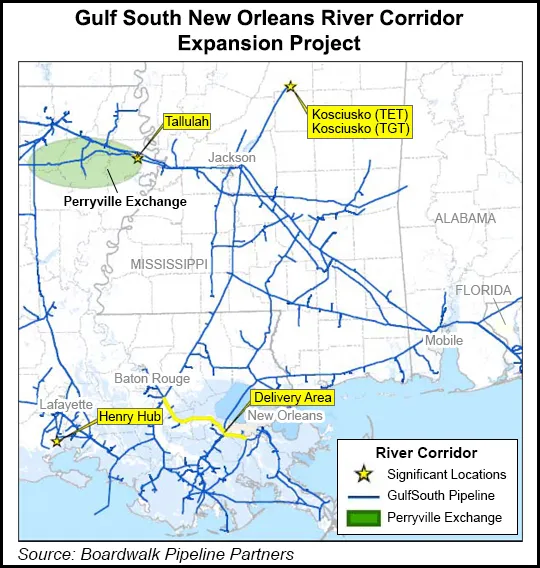
The infrastructure scale and reach (Gulf South, Texas) may position it for large new loads like data centres.
What to check: -
Whether they are actively pursuing large new-load customers such as hyperscale data centres.
-
The regulatory and grid constraints in their service territories.
🔍 Key Criteria to Filter / Analyse
When looking at power producers that can gain from data-centre growth, consider:
-
Generation capacity & dispatchability: Data centres need reliable and continuous power, often with SLAs. Utilities with flexible, large dispatchable generation (gas, nuclear, hydro) may have an edge.
-
Location / grid region: Regions where data centre build-out is strong (e.g., Texas / ERCOT, Virginia/DC-area, Northern Virginia, the U.S. Sunbelt) may have stronger growth.
-
Contracts with large loads: Look for firms that have signed or are targeting large data-centre / hyperscale cloud / AI customers.
-
Renewables + storage capability: Many data centres are seeking “green” power; producers that can combine generation + storage + renewables may stand out.
-
Regulatory / grid constraints: Power expansion is often limited by approvals, transmission bottlenecks, environmental regulation. Companies with fewer constraints may move faster.
-
Mid-term growth potential: While the short-term is good, the mid-term (2-5 years) may require additional capacity expansions or upgrades — check pipelines of projects.
✅ Top picks with strong upside potential
1. Vistra Corporation (have shares since 13 oct 2025 – UNRL : -16%)
-
Vistra has publicly said that it “sees electricity demand trending like it’s the 1990s” driven by AI, crypto, large loads and data-centres. MarketWatch
-
Their 2026 adjusted EBITDA target was raised and they’re seeing “a ton of interest” in supplying power to data-centres at their nuclear/generation assets. MarketWatch
-
Because of this expressed strategic focus and improved profitability outlook, Vistra stands out as potentially high upside if the data-centre power trend continues.
2. NextEra Energy
-
NextEra posted a strong Q2 2025 where profits beat expectations, attributable in part to demand for data-centre power. Investopedia
-
They noted that they now have about 6 GW of projects in backlog dedicated specifically to tech/data-centre clients, and expect to exceed 10.5 GW of capacity for those users. Investopedia
-
While revenue in that quarter missed, the strategic positioning for data-centre growth gives NextEra significant upside if projects convert and grow.
3. NRG Energy
-
NRG announced a long-term retail deal to supply ~295 MW (with potential up to ~1 GW) of power to data centres at their Texas assets. Reuters
-
They beat profit estimates, and with data-centre build-out strong especially in Texas, NRG is well-positioned for upside in that region.
📋 Comparative summary
| Company | Key driver | Upside factor | Risk factor |
|---|---|---|---|
| Vistra | Strong focus on data-centre large loads | Raised guidance, structural tailwind | Execution risk, generation/regulatory issues |
| NextEra | Clean/renewable + dedicated data-centre backlog | Sizeable backlog, growth potential | Conversion of backlog, capital cost, regulatory risk |
| NRG | Specific deals in Texas for data-centres | Early contract wins, regional strength | Commodity/generation risks, regional constraints |
🔍 Why these stand out
-
Data-centre electricity demand is expected to more than double by 2032 in the U.S. according to analysts. Morningstar+2Deloitte United Kingdom+2
-
Large-load contracts (data centres) are emerging as a meaningful growth driver for utilities. Latitude Media+1
-
Each of these companies is publicly acknowledging and preparing for that trend (rather than being passive) which improves upside potential.
⚠️ Caveats / what to check
-
Having a backlog doesn’t guarantee that the projects will execute on time or profitably.
-
Utilities may face regulatory, grid or capital-cost headwinds that dampen returns.
-
Valuation matters: If the market already prices in the data-centre tailwind in full, upside may be limited.
-
These are long-horizon plays (2-5 years) rather than instant wins.